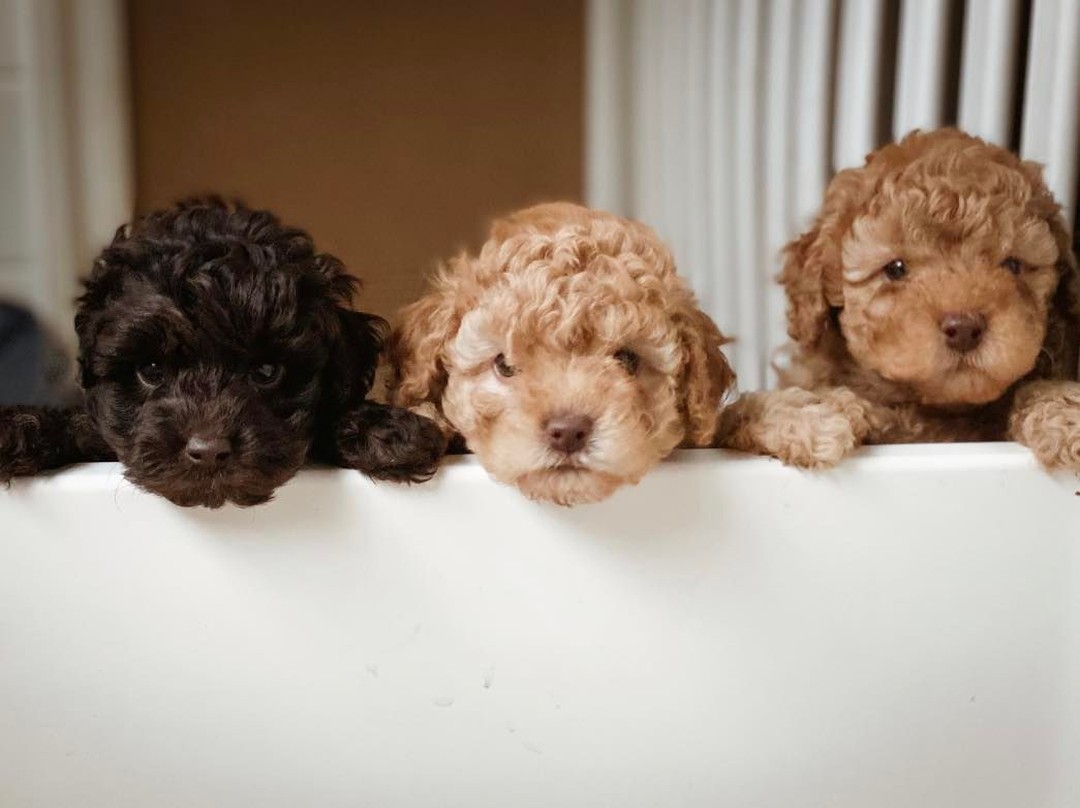
Bringing a Cavoodle into your life is one of those decisions that feels easy at first—those teddy-bear looks, gentle temperament, and playful personality win you over instantly. But living with one, especially in a place like South Australia, comes with its own unique set of considerations. From hot summers to dry conditions and an outdoor-loving lifestyle, your Cavoodle’s wellbeing depends on how well you adapt their care, routine, and training to the local environment.
This guide blends practical advice with real-world experience, helping you raise a happy, well-adjusted Cavoodle in South Australia.
Understanding the Cavoodle Personality
Before diving into climate and care, it helps to understand what makes Cavoodles tick.
Cavoodles are a cross between a Cavalier King Charles Spaniel and a Poodle, combining affection with intelligence. They’re known for being:
- Highly social and people-oriented
- Quick learners
- Adaptable to different living environments
- Emotionally sensitive
That last point matters more than most people expect. Cavoodles don’t just live in your home—they tune into your lifestyle. If your routine is chaotic or inconsistent, they’ll reflect that.
South Australia’s Climate: What It Means for Your Cavoodle
South Australia is known for its hot, dry summers and mild winters, especially around Adelaide and surrounding regions. While humans adjust with air conditioning and iced drinks, your Cavoodle experiences this environment very differently.
1. Heat Sensitivity is Real
Cavoodles have dense, often curly coats. While low-shedding, these coats can trap heat if not managed properly.
In peak summer:
- Avoid walks during midday heat
- Stick to early mornings or evenings
- Watch for signs of overheating (panting, lethargy)
Even though they’re small, Cavoodles aren’t immune to heat stress. Their comfort depends heavily on your awareness.
2. Indoor Living is Essential
Cavoodles thrive as indoor companions and don’t cope well with being left outside for long periods.
In South Australia, this becomes even more important:
- Keep them inside during extreme heat
- Provide shaded outdoor access if needed
- Ensure cool flooring or climate-controlled spaces
A Cavoodle left alone in a hot backyard isn’t just uncomfortable—it’s at risk.
Daily Care Routine That Works in SA
A consistent routine makes all the difference. Cavoodles are creatures of habit, and structure helps prevent anxiety and behavioural issues.
Exercise Needs
Despite their small size, Cavoodles need daily activity:
- 30–60 minutes of exercise per day
- Mix of walks, playtime, and mental stimulation
In South Australia:
- Walk on grass instead of hot pavement
- Bring water on longer outings
- Incorporate indoor games on very hot days
Grooming in a Dry Climate
That soft, wavy coat is beautiful—but high maintenance.
Expect:
- Brushing 3–4 times a week
- Professional grooming every 4–8 weeks
Dry climates can lead to:
- Skin irritation
- Matting due to dust and debris
A personal tip: keep their coat slightly shorter in summer. It reduces heat retention and makes grooming easier.
Nutrition & Hydration
Hydration becomes critical in warmer regions.
- Always provide fresh, cool water
- Avoid overfeeding during hot days (appetite may drop)
- Choose high-quality food suited to their size and energy level
Some Cavoodle owners also notice sensitive digestion, so introduce new foods gradually.
Training a Cavoodle: What Actually Works
Cavoodles are intelligent—but that doesn’t mean training is automatic.
Start Early (and Stay Consistent)
Early training shapes everything:
- Basic commands: sit, stay, come
- Leash manners
- House training
They respond best to positive reinforcement—treats, praise, and consistency.
Short, daily sessions work far better than long, occasional ones.
Socialisation is Non-Negotiable
South Australia offers plenty of dog-friendly parks and outdoor spaces—use them.
Expose your Cavoodle to:
- Different people
- ther dogs
- New environments
This prevents anxiety and builds confidence.
A well-socialised Cavoodle is calm, friendly, and adaptable.
Managing Separation Anxiety
This is where many owners struggle.
Cavoodles are deeply attached to their humans and can develop separation anxiety if left alone too often.
From real owner experiences:
“They thrive on human interaction and often struggle if left alone…”
To prevent issues:
- Gradually increase alone time
- Avoid dramatic departures/arrivals
- Provide enrichment toys
Ignoring this early can lead to barking, chewing, and stress behaviours later.
Mental Stimulation: The Secret to a Calm Dog
A tired Cavoodle isn’t just physically tired—it’s mentally satisfied.
Because of their Poodle lineage, they’re highly intelligent.
Without stimulation:
- They get bored
- They develop unwanted behaviours
- They become anxious
Simple ways to keep them engaged:
- Puzzle toys
- Scent games
- Short training sessions
- Rotating toys
Think of it this way: a Cavoodle needs both a walk and a “job.”
Living Spaces: Apartment or Backyard?
One of the best things about Cavoodles is their adaptability.
They do well in:
- Apartments
- Suburban homes
- Rural properties
As long as they get:
- Daily exercise
- Human interaction
- Mental stimulation
They don’t need a huge backyard—but they do need your time.
Real-Life Challenges (That No One Talks About)
Owning a Cavoodle isn’t just cuddles and Instagram photos.
Here’s what catches people off guard:
1. Grooming Commitment
That “low-shedding” coat still requires serious maintenance. Neglect leads to matting and discomfort.
2. Emotional Sensitivity
They pick up on your mood. Stressful homes often create anxious dogs.
3. Training Isn’t Optional
Without structure, even a smart Cavoodle can develop bad habits quickly.
As one trainer bluntly puts it—these dogs are amazing if you raise them right.
Practical Tips for South Australian Owners
If you’re raising a Cavoodle in South Australia, these small adjustments make a big difference:
- Walk early morning or late evening in summer
- Keep a cooling mat or shaded rest area
- Trim coats shorter during hotter months
- Use dog-friendly beaches or parks for enrichment
- Maintain a strict daily routine
Most importantly—make them part of your daily life. Cavoodles don’t just want a home; they want involvement.
Final Thoughts
Living with a Cavoodle in South Australia is incredibly rewarding—but it’s not completely effortless.
These dogs are affectionate, intelligent, and deeply connected to their owners. They thrive in environments where they’re included, stimulated, and cared for with intention. With the right balance of climate awareness, consistent care, and thoughtful training, your Cavoodle won’t just adapt to South Australia—it will flourish.
If there’s one takeaway, it’s this:
A well-raised Cavoodle isn’t just a pet—it becomes a true companion, shaped by the time, structure, and care you invest every single day.